Visual Trends 2026: An Analysis of Search Behavior and Creative Demand
- Feb 23
- 3 min read
Visual culture is no longer shifting, it is recalibrating. As Artificial Intelligence moves from a novelty to a utility, the human eye is developing a new set of filters.
To understand this evolution, we analyzed millions of search queries and download behaviors on FreeImages between early 2025 and 2026. By cross-referencing our proprietary data with Getty Images’ VisualGPS 2026 insights, we’ve identified a definitive pivot: the rejection of the "optimal" in favor of the "authentic."

This report outlines the four pillars of visual demand for 2026 and provides actionable intelligence for SEOs, CMOs, and creative directors.
TL;DR: The Visual Trends 2026 Report
The core shift: visual culture is moving from "optimal" (AI-perfect) to "authentic" (Human-centric). After analyzing millions of search queries, our research into visual trends 2026 reveals a definitive rejection of hyper-polished aesthetics in favor of lived-in, situational realism.
The 4 Pillars of 2026 Demand:
Earthy Tech (The Biophilic Revolution): high-contrast neons are out; muted, organic tones are in. A key pillar of visual trends 2026, technology is being visually "humanized" to reduce digital anxiety.
Authentic Utility: abstract metaphors (like "corporate ladders") are being replaced by literal realism. Demand for "unposed" and situational imagery is at an all-time high as users prioritize transparency over symbolism.
Human-Made Aesthetic: in a post-AI world, imperfection is the new trust signal.
Radical Specificity: sustainability has shifted from "Save the Planet" concepts to local action.
1. The Rise of "Earthy Tech": Humanizing the Digital Interface

Muted, organic color palettes emerged as one of the fastest-growing filters within technology-related searches.
While the previous decade defined "tech" through neon blues and cold glass, 2026 is seeing a "biophilic tech" revolution. According to Getty Images’ 2026 Technology trends, we are moving toward technology that feels like a natural extension of our environment rather than an intrusion.
Creative demand shows a clear preference for grounded, low-saturation color palettes compared to the neon-forward aesthetics common in previous years.
Why it matters for SEO: content creators are looking for visuals that reduce "digital anxiety." Brands using grounded tones in their featured images are seeing a higher dwell time on long-form content.
Content creators are looking for visuals that reduce "digital anxiety."
2. Authentic Utility: Beyond the Aspirational Metaphor
“Unposed” and situational imagery moved from niche searches to mainstream demand over the past year.
The "corporate climber" is dead. In 2026, authority is built through literal realism. Our data shows a massive decline in abstract metaphors (e.g., "gears in a head") in favor of "actual process" imagery.
Google’s emphasis on"experience" means that stock-heavy, "perfect" websites are losing trust. Users (and algorithms) now prioritize images that prove a "lived-in" reality.
Actionable tip: replace your hero images of smiling models with candid, high-quality shots of specific industry environments.
3. The "Human-Made" Aesthetic: Imperfection as a Trust Signal
Searches for lo-fi aesthetics, film grain, and manual blur rose sharply among younger creators.
As AI-generated images reach peak saturation, "analog artifacts" have become the new verification badge for human authorship. This is a direct response to "AI Fatigue."
The trend: creators are intentionally seeking out "tactile textures." Visuals that show 35mm film grain or natural light inconsistencies are being downloaded at double the rate of hyper-polished renders.
The strategy: if your brand relies on AI imagery, consider "de-optimizing" the output. Adding texture and manual-like flaws increases perceived trustworthiness in a skeptical market.
4. Sustainability Visuals Are Becoming More Specific and Grounded
A clear shift away from abstract sustainability symbolism toward real, situational imagery.
Sustainability visuals in 2026 are moving past generic concepts and idealized representations. Rather than symbolic images that stand in for environmental awareness, creators are increasingly looking for visuals that feel situational, practical, and rooted in everyday life.
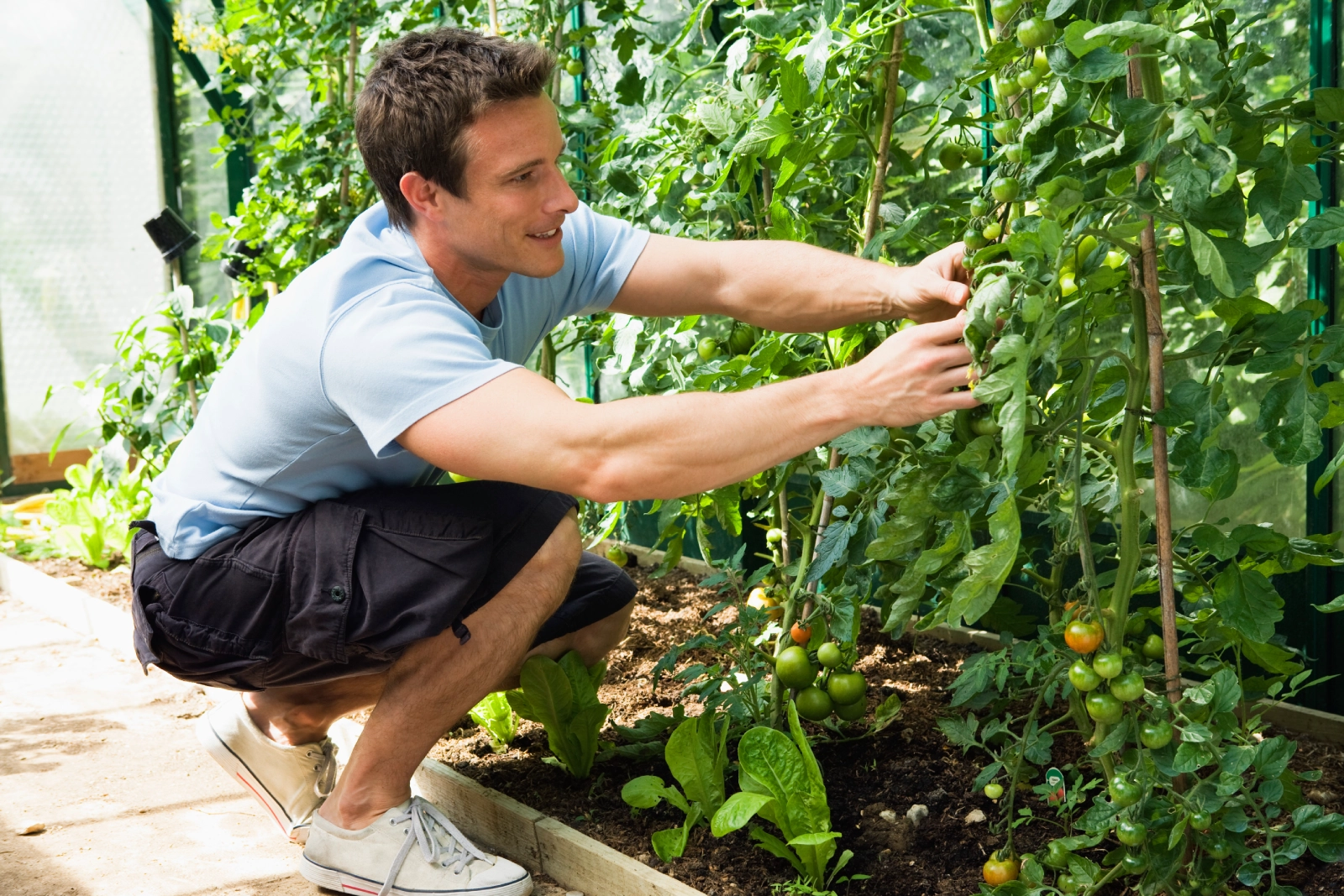
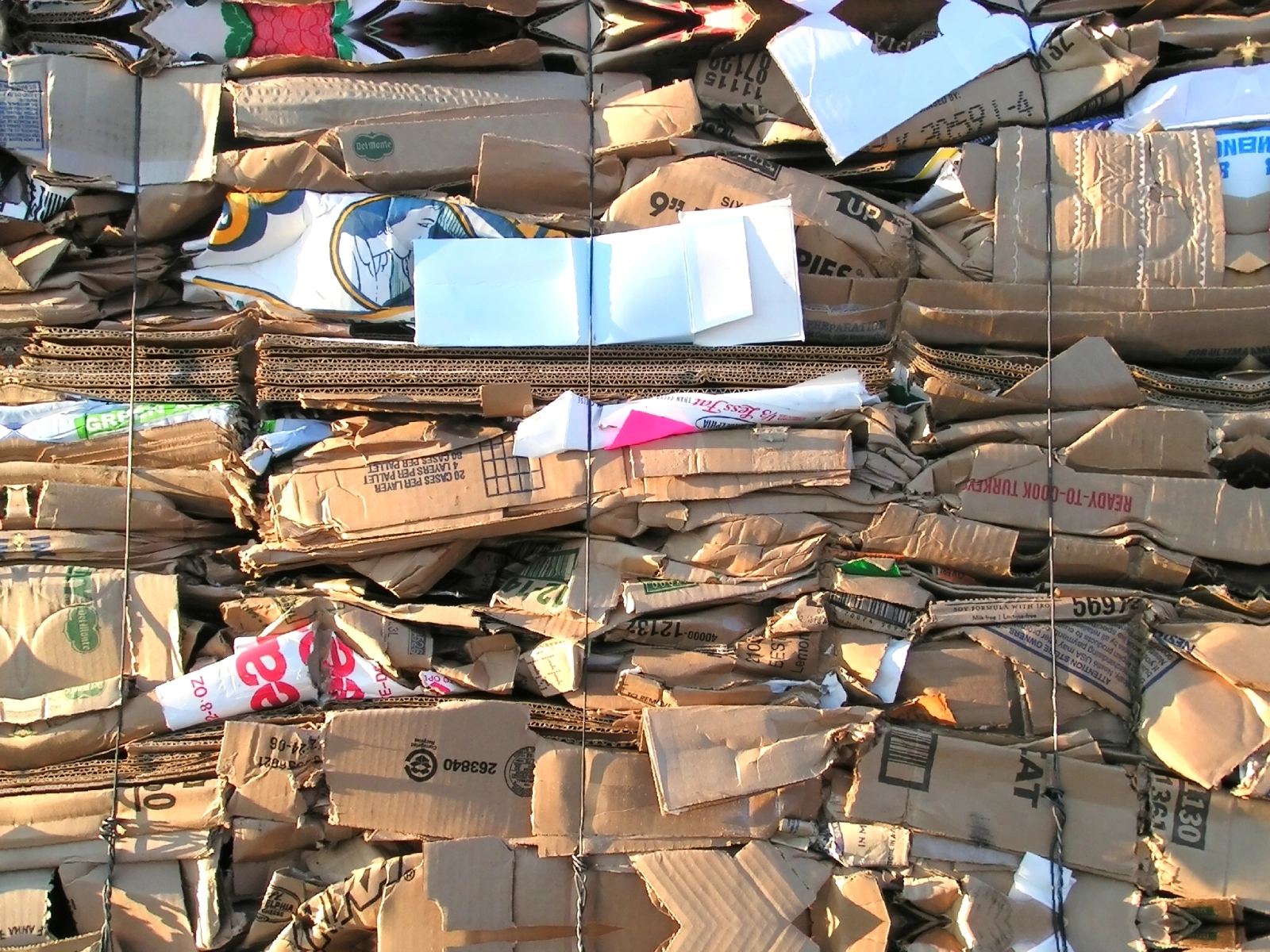
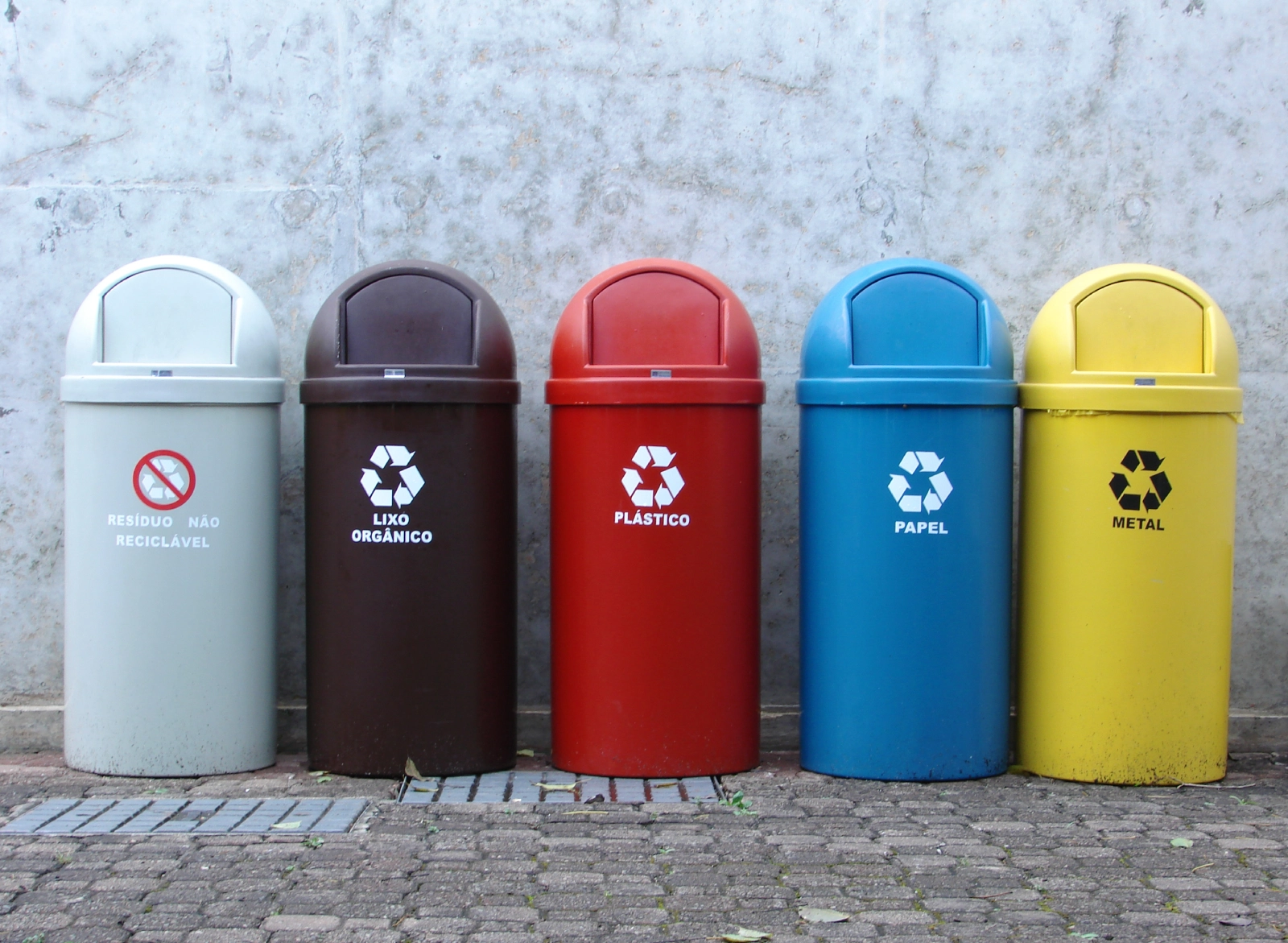
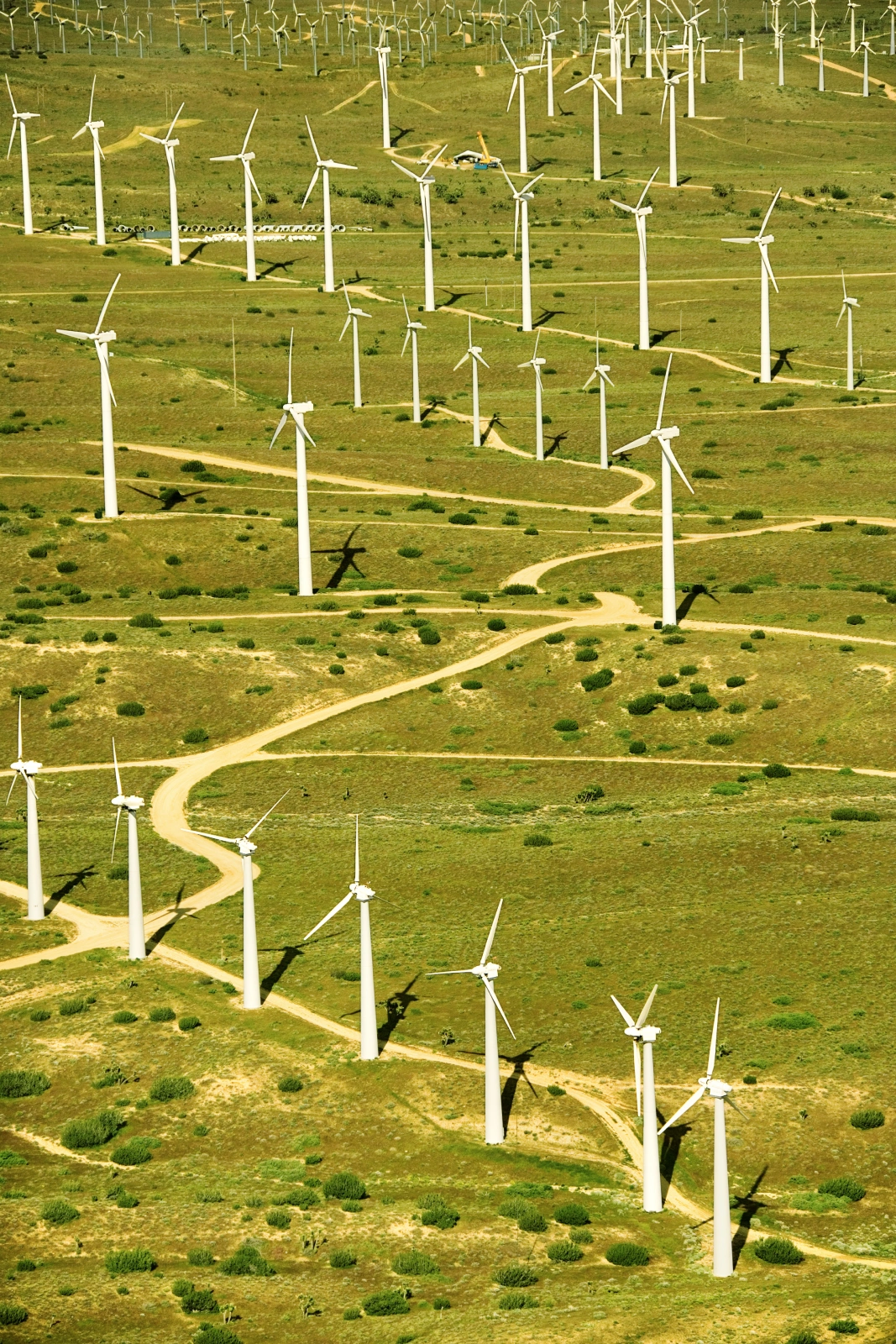
The broader pattern is toward specific actions, real places, and visible impact. Images that show people engaged in tangible environmental efforts, community initiatives, or day-to-day sustainable practices resonate more than high-level metaphors.
Reports and visual assets that perform well tend to focus on what sustainability looks like in practice. Instead of showing “the planet” as an abstract idea, successful visuals show people doing something meaningful in a real setting. Specificity, not symbolism, is what makes sustainability visuals feel credible and useful.
This report is curated by our team, utilizing anonymized metadata from FreeImages.com. We analyzed search frequency, click-to-download ratios, and tag-clustering across 12 months (Jan 2025–Jan 2026). To ensure global relevance, these findings were validated against the Getty Images VisualGPS framework, the gold standard in visual trend forecasting.